In addition, the cigarette smoking is a significant confounding factor in all miners' studies. The largest all-natural contributor to public radiation dosage is radon, a normally taking place, radioactive gas discovered in dirt as well as rock, which consists of roughly 55% of the yearly history dose. Radon gas degrees differ by locality and the make-up of the underlying dirt as well as rocks. As with the miner data, the exact same confounding factor of other health hazards such as dust applies. Radon concentration is high in poorly ventilated buildings as well as residences as well as such structures have a tendency to have bad air high quality, bigger focus of dust etc
How long do you have to be exposed to radon before it becomes a problem?
Radon is a radioactive gas and exposure to it causes 21,000 lung cancer deaths per year—only smoking causes more. Because you can't see, smell or taste radon, it's important to periodically test the air in your home. Believing you live in a region not affected by radon is just one of the myths about this deadly gas.
Air Purification Solutions.
How long does radon stay in the air?
It can be found in all 50 states. Once produced, radon moves through the ground to the air above. Some remains below the surface and dissolves in water that collects and flows under the ground's surface. Radon has a half-life of about four days - half of a given quantity of it breaks down every four days.
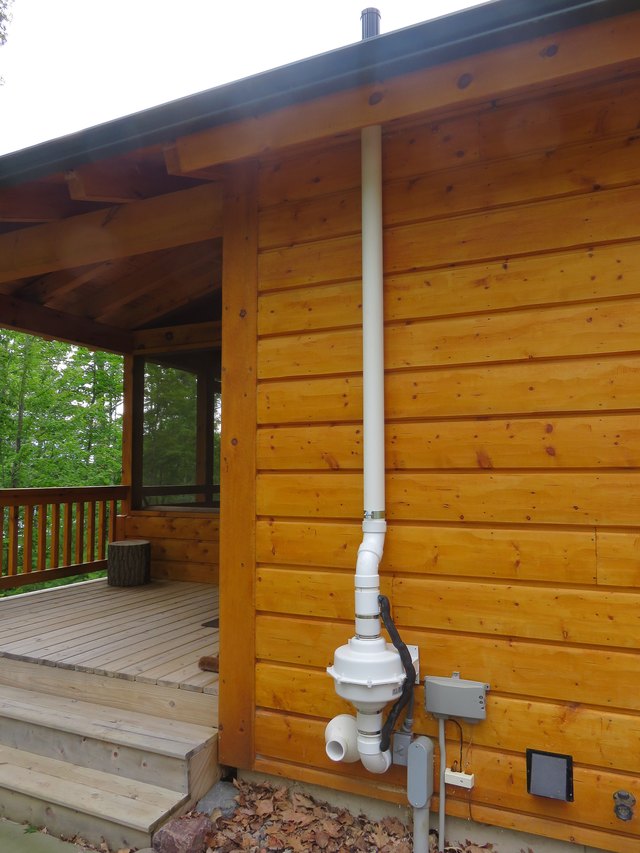
A study was performed in colleges across the United States to spot radon levels, as well as it was approximated that concerning one in 5 schools contends least one space (more than 70,000 schoolrooms) with temporary levels over 4pCi/L. While cigarette smoking remains the number-one source of lung cancer cells in the United States, radon direct exposure is second. Researchers estimate that between 15,000 to 22,000 lung cancer cells deaths in the USA are straight connected to radon exposure annually.
The extent of the job depends on the level of gas as well as the style of your residence, yet it's pretty straightforward and also not overly costly. The Globe Wellness Company advises that house owners remediate homes with radon degrees surpassing 2.7 pCi/L. The quantity of radiation gathers in time and the filter product might get to the level of needing disposal as a contaminated waste.
So, the linear no-threshold version takes the cancer prices in highly-exposed populations-- those uranium miners-- and also extends them to reduced doses of radiation. It after that increases that extremely small danger across a significant variety of individuals in order to approximate the overall number of future cancers cells.
Radon levels: What do they imply?
Even with a reduction system, the only way to recognize your radon degrees are in a safe array is to constantly evaluate. In spite of that admission, the EPA proceeded with the straight no-threshold design for radon out of a wealth of caution. A World Health Organization meta-analysis of three big, previous epidemiological radon threat research studies suggested lung radon symptom cancer instances at 5.4 picocuries per liter. The EPA notes that these threat forecasts do not need extrapolation from high dosage prices to low1.
According to the EPA, radon is the second most typical root cause of lung cancer cells, after smoking. Consequently, taking all needed precautions against radon direct exposure is extremely vital, particularly for individuals that stay in a Zone 1 location. This is a location consisting of higher degrees than the EPA considers safe. The USA Environmental Protection Agency (EPA) classes radon as a carcinogen, implying that radon poisoning can lead to cancer cells.
Should I buy a house with high radon?
EPA RECOMMENDS: If you are buying or selling a home, have it tested for radon. For a new home, ask if radon-resistant construction features were used and if the home has been tested. Fix the home if the radon level is 4 picocuries per liter (pCi/L) or higher.
How often should you test for radon?
Living pattern changes Whenever there is a change in your home, you should perform local radon testing. It's also recommended that you test your home for radon at least twice a year too. If your tests come back unusually high, then you should order one or two more tests so that you can compare the results.
How do you eliminate radon?
If a person has been exposed to radon, 75 percent of the radon progeny in lungs will become "harmless" lead particles after 44 years. When an alpha particle damages a cell to make it cancerous, the onset of lung cancer takes a minimum of 5 years but most often 15 to 25 years, and even longer.
Would you buy a house with radon?
Radon is a naturally occurring radioactive gas which may be found in indoor environments such as homes, schools, and workplaces. Radon is the most important cause of lung cancer after smoking.
- Pennsylvania pupils ages 9-14 years of ages were urged to create an educational poster that reveals the physical facets of radon, the hazardous effects of indoor radon gas, or the importance of testing for radon in the residence.
- DEP sent Pennsylvania's first-place poster to the Conference of Radiation Control Program Directors 2020 National Radon Poster Competition, and a nationwide champion will be introduced in January of 2020.
- Despite the ultimate awareness of the risks, radon-induced lung cancer in miners stayed a considerable hazard till the 1970s.
- One of the most typically made use of device for making temporary radon dimensions in residences is the charcoal canister.
- If testing was concentrated in high-risk teams such as heavy smokers, the approximated price of mitigation after a single radon test was decreased to $ per life year conserved, a number taken into consideration to be economical.
How bad is a radon level of 8?
The EPA strongly recommends radon mitigation if your radon levels are above 4 pCi/L. While radon levels below 4 still pose a health risk. They recommend you consider mitigation if your radon levels are between 2 and 4 pCi/L. They are quick to point out that there is no known safe level of radon.
How do I make my house safe from radon?
Install a layer of gas-permeable aggregate, such as four inches of gravel, beneath the slab or flooring system of your home if you don't have a crawlspace. Cover this layer or your crawlspace floor with plastic sheeting to stop radon gas from moving past that level and into your home.
Is radon only in the basement?
Radon is completely odorless as well as being invisible. Because it is often found unexpectedly in basements, some people mistakenly believe that it only occurs in basements. Most commonly homes with basements are suspect for having higher radon levels.
Does home insurance cover radon mitigation?
homeowners insurance and radon remediation While home insurance is designed to financially protect you from sudden and unexpected perils such as fire or theft, it typically won't cover things that can be considered related to home maintenance like radon testing and mitigation.
What are the signs of radon poisoning?
There are no safe radon levels. Any exposure to the gas, no https://docdro.id/Dzoc2bE matter how small, can cause damage to the DNA in your lung, the lower the levels found in your home, the lower the risk you have of developing lung cancer.
Is a radon level of 2 safe?
Radon levels are measured in picocuries per liter, or pCi/L. Levels of 4 pCi/L or higher are considered hazardous. Radon levels less than 4 pCi/L still pose a risk and in many cases can be reduced, although it is difficult to reduce levels below 2 pCi/L. Once installed, a follow-up radon test is done.
Can you smell radon?
The “safe” level of radon exposure is no radon at all. The EPA's recommended level for radon mitigation is 4.0 pCi/L or above. It's estimated that 1 in 15 American homes have an elevated level of radon gas.
How much does it cost to run a radon fan?
Known risk factors for lung cancer include: Risk by age: About two out of three lung cancers are diagnosed in people over age 65, and most people are older than 45. The average age at diagnosis is 71. Family history: Genetics may predispose certain people to lung cancer.
Is my house in a radon affected area?
Outside of your home, it remains at low levels and is relatively harmless. In the indoor environment, it wreaks havoc on your lungs. Radon is a carcinogen that causes lung cancer. While increased levels of radon can occur in the soil beneath any home, there are specific areas of the country that are at a higher risk.
Will opening windows reduce radon?
Opening windows improves air circulation and ventilation, helping move radon out of the house and mixing radon-free outside air with indoor air. Opening basement windows helps reduce negative air pressure, diluting radon with clean outdoor air.
What kind of cancer is caused by radon?
Radon decays quickly, giving off tiny radioactive particles. When inhaled, these radioactive particles can damage the cells that line the lung. Long-term exposure to radon can lead to lung cancer, the only cancer proven to be associated with inhaling radon.
How do I know if my house has http://chanceqtmn561.zoninrewards.com/indicators-on-radon-testing-kit-you-need-to-know radon?
In fact, you're probably breathing it in every day, even if it's at a low level. However, you can't tell if you're breathing it in at a high level. The danger in radon exposure is that you can't see it, taste it, or smell it. And you won't have any symptoms to alert you.